Our News and Events
Technical insights, case studies, audit findings and project developments covering industrial source reduction, water management, air efficiency, wastewater treatment and resource recovery.





Dyeing, printing, washing, finishing, denim, garment processing and integrated textile units.
Audit focus: liquor ratios, washing cycles, bath reuse, colour, salts, surfactants, BOD, COD, TSS and TDS generation.

Pulp and paper mills, plywood, laminates, particle board, MDF, wood adhesives and allied wood-based industries.
Audit focus: process washing, fibre losses, suspended solids, resins, adhesives, organic load, colour and water reuse.

Rolling mills, foundries, forging units, pickling lines, phosphating, galvanizing, metal finishing and engineering industries.
Audit focus: rinsing, cooling water, scale, oil, suspended solids, acids, alkalis, dissolved metals and stream segregation.

Pharmaceuticals, bulk drugs, specialty chemicals, food processing, beverages, automotive and other water-intensive industries.
Audit focus: batch changeovers, equipment washing, CIP systems, high-COD streams, high-TDS streams, solvents and variable effluent characteristics.

A conventional wastewater project often begins at the ETP inlet. Premia Envirotech begins inside the processing area.
Every production operation contributes a combination of water volume and pollutant mass. Excessive washing increases hydraulic load. Chemical overdosing can increase COD and TDS. Product and raw-material losses increase BOD, COD and TSS. Mixing reusable water with concentrated effluent eliminates recovery opportunities and makes treatment more difficult.
Our source-first approach studies how wastewater is created before deciding how it should be treated.
Only after these opportunities are evaluated do we finalize the treatment, recycling and Zero Liquid Discharge strategy.
Develop a plant-wide water balance, air-usage profile, source-wise wastewater map and pollutant-load inventory.
Optimize production practices, chemical usage, washing sequences, rinsing, leakages, material losses and avoidable utility consumption.
Design or upgrade the ETP according to the reduced hydraulic load, actual contaminant profile and required outlet quality.
Integrate filtration, membranes, evaporation, sludge management, salt recovery and internal reuse wherever technically and commercially feasible.
Plant-wide water balances, compressed-air assessments, pollution-load mapping, stream characterization, source-reduction studies and environmental compliance support.
End-to-end project responsibility covering process assessment, design, detailed engineering, equipment supply, civil coordination, installation, commissioning and performance stabilization.
Qualified manpower, process monitoring, laboratory control, chemical optimization, membrane management, preventive maintenance, troubleshooting and performance reporting.
Integrated operation and performance management of water-treatment plants, ETPs, STPs, RO systems, boilers, cooling towers, compressed-air systems and associated utilities.
Source-wise and composite testing of raw water, process water, wastewater, treated water, sludge and other environmental parameters required for design and performance assessment.
Feasibility studies, technology selection, detailed engineering, capacity enhancement, plant audits, process troubleshooting and technical advisory for new and operating facilities.

A textile dye house, paper mill, steel-processing unit, pharmaceutical facility and wood-based plant generate fundamentally different wastewater. Even two factories manufacturing the same product may have different water balances and pollution loads.
Premia Envirotech does not apply a standard treatment scheme to every industry. Each recommendation is based on the manufacturing process, raw materials, chemicals, water balance, source-wise effluent characteristics, operating hours, recovery targets, available utilities and site constraints.
Our team at Premia Better Chemistry Premium Value is ready to support you with any queries.
16140-75442We begin in the production area instead of beginning only at the ETP inlet. Our team identifies where water is consumed and where pollution is generated, reduces avoidable loads at source and then engineers the ETP and recovery system for the remaining effluent.
It can, if water reduction is undertaken without process optimization. Our objective is therefore not merely to reduce wastewater volume. We target both hydraulic load and pollutant mass through chemical control, process optimization, stream segregation, material-loss reduction and internal reuse.
The audit can include water intake, process-wise consumption, wastewater generation, water balance, leakages, washing and rinsing practices, internal reuse opportunities, compressed-air generation, pressure, distribution, leakage, inappropriate usage and relevant exhaust or emission-control systems.
Textile, dyeing, printing, paper, pulp, plywood, wood processing, iron, steel, metal finishing, pharmaceutical, chemical, food, beverage, automotive and other water- or utility-intensive industries can benefit from this approach.
Understand where water, air, chemicals and pollution enter the process before deciding on treatment.
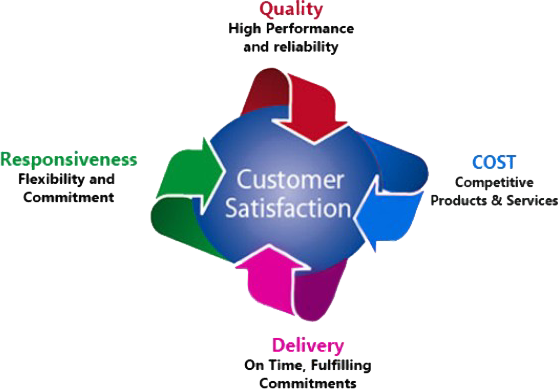
Treat the unavoidable residual load, recover usable water and continuously improve plant performance.
Technical insights, case studies, audit findings and project developments covering industrial source reduction, water management, air efficiency, wastewater treatment and resource recovery.

In the fast-paced world of entrepreneurship, time is one of the most valuable resources. But with endless tasks, meetings, and responsibilities, managing it effectivel...

In the fast-paced world of entrepreneurship, time is one of the most valuable resources. But with endless tasks, meetings, and responsibilities, managing it effectivel...
Let us evaluate where water is consumed, where pollution is generated and what can be reduced before it reaches your treatment plant.